
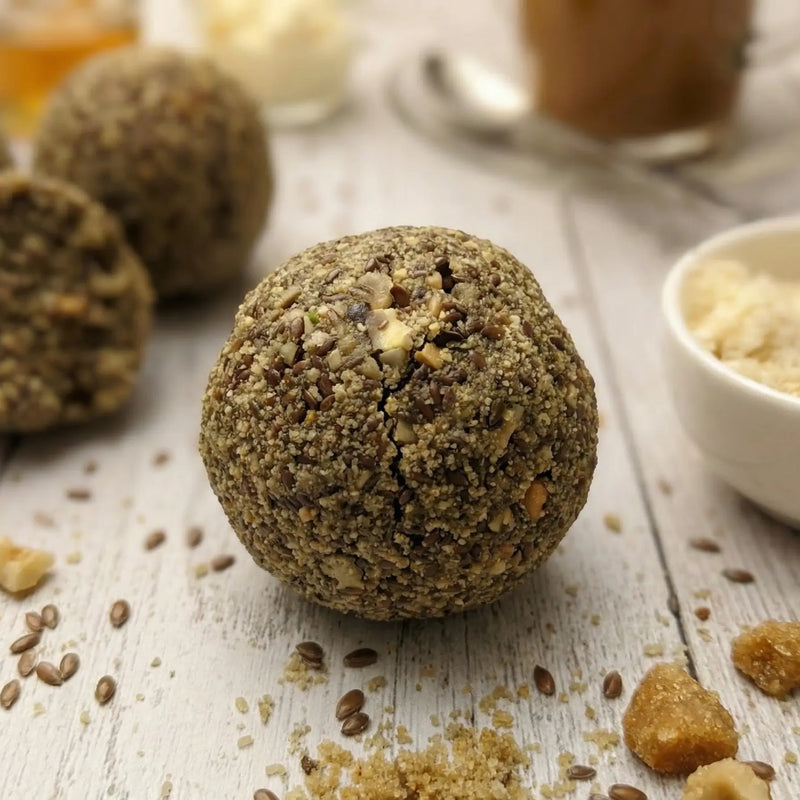


Alsi ki Pinni – Traditional Flaxseed Pinni
Inclusive of all taxes · Cash on Delivery available
Traditional Alsi ki Pinni made the way it has always been made — roasted flaxseed (alsi) bound with desi ghee and gur, shaped by hand. No artificial colours, flavours or preservatives.
Available in two options. Both share the same flaxseed and desi ghee base.
Which one should you choose?
- Alsi ki Pinni — flaxseed, desi ghee and gur. The classic winter pinni, lighter on the pocket.
- Alsi Pinni with Dry Fruits — the same base with a much higher proportion of almonds, walnuts and other dry fruit. Richer texture and deeper flavour.
Both are available in 0.5 kg and 1 kg packs.
Why Alsi ki Pinni?
- Flaxseed is one of the richest plant sources of omega-3 fatty acids
- Made with real desi ghee, not hydrogenated fat
- Sweetened with gur rather than refined sugar
- High in dietary fibre
- A traditional winter food for energy and warmth
How to Eat It
One piece a day is the traditional serving, usually in the morning with warm milk. Pinni is nutrient dense but also calorie dense, so it is meant to be eaten in moderation rather than as a snack through the day.
Storage
Keep in an airtight container in a cool, dry place. Made without preservatives, pinni is best eaten within a few weeks of opening.
Contains nuts. Alsi Pinni with Dry Fruits contains almonds and walnuts. Please avoid if you have a tree nut allergy.
Read our full guide to alsi ki pinni benefits, serving size and how to spot the real thing.
What is the difference between the two options?
Both use the same base of roasted flaxseed, desi ghee and gur. Alsi Pinni with Dry Fruits contains a much higher proportion of almonds, walnuts and other dry fruit, which gives it a richer texture and deeper flavour. The plain Alsi ki Pinni is lighter on the pocket.
What is alsi ki pinni made of?
Roasted flaxseed (alsi), desi ghee and gur, prepared the traditional way. The dry fruit version adds almonds, walnuts and other dry fruit. No artificial colours, flavours or preservatives.
Which size should I order?
Both options come in 0.5 kg and 1 kg packs. At one piece a day, a 0.5 kg pack typically lasts a few weeks for one person. The 1 kg pack works out cheaper per kilo and suits a family or the full winter season.
Why is pinni eaten in winter?
Flaxseed, desi ghee and gur are traditionally considered warming foods in South Asian households. There is a practical reason too: pinni is calorie dense, which suits a cold season, and made with real ghee and no preservatives it does not keep well in summer heat.
How many should I eat in a day?
One piece a day is the traditional serving, usually in the morning or with warm milk. Pinni is nutrient dense but also calorie dense because of the ghee and gur, so it is meant to be eaten in moderation rather than as a snack throughout the day.
Does it contain nuts?
Alsi Pinni with Dry Fruits contains almonds and walnuts. Please avoid it if you have a tree nut allergy. The plain Alsi ki Pinni is primarily flaxseed, desi ghee and gur.
Can I eat pinni if I have diabetes?
Pinni contains gur, which is still sugar. Being traditional does not make it exempt. If you are managing diabetes, please speak to your doctor rather than assuming it is suitable.
How long does it stay fresh?
Store in an airtight container in a cool, dry place. Made without preservatives, pinni is best eaten within a few weeks of opening. If it smells sharp or stale, the ghee has turned and it should be discarded.
Customer Reviews
You Might Also Like
Loved by Our Customers 💚
See how our customers are using our product and what they have to say.


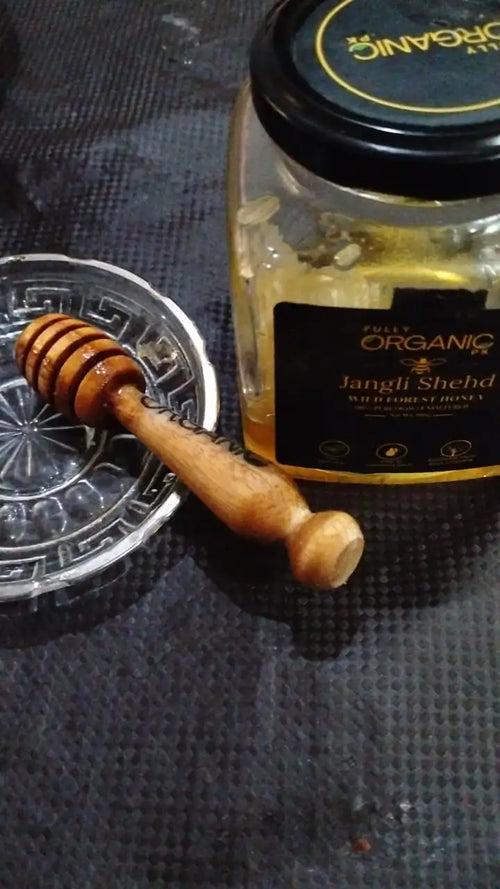
“ماشاءاللہ تبارک اللہ شہد بہت مزے کا ھے خالص ھے اللہ کریم آپکے کاروبار میں برکت فرمائے”

Faisal
Verified BuyerPeshawar
“MashAllah 100% pure and wild, love the taste and for sure its different than the market honey.”
Amjid Noor
Verified BuyerPeshawar
“اس میں جو نٹس اور سیڈز ہیں ان کا ٹیسٹ بہت ہی زبردست ہے۔ بچوں کو بھی بہت پسند آیا ہے۔”
محمد علی
Verified BuyerGujranwala, Pakistan
“Taste thoda herbal sa hai so main thoda sa honey add karti hoon, but results wise it's amazing. Garmi ki wajah se jo face pe rash aur dullness thi, woh bilkul theek ho gayi hai.”
Khadija Ahmed
Verified BuyerLahore, Pakistan
“Good quality oats and very premium packaging. Just wish it was a tiny bit sweeter, but adding a spoon of honey does the trick!”
Zainab Malik
Verified BuyerOkara, Pakistan
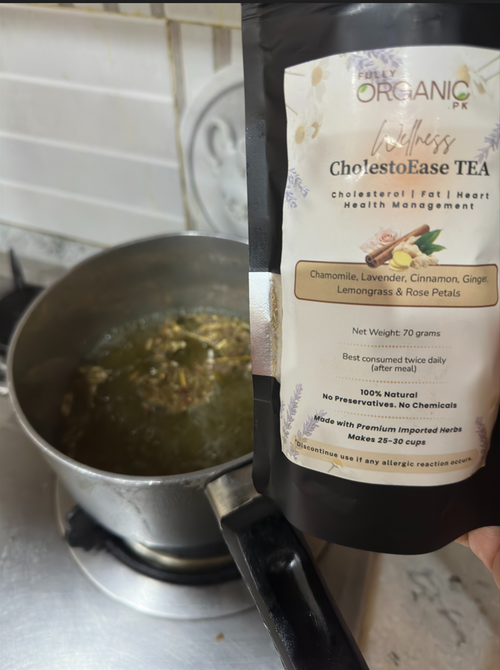
“Taste thoda sa strong hai herbal hone ki wajah se, but results are 10/10. Khana bohat jaldi digest hota hai ab aur jo bhari pan rehta tha woh bilkul khatam ho gaya hai.”
Khadija Bibi
Verified BuyerSargodha, Pakistan
“Honestly, a lifesaver for early morning office routines. Just add hot milk and you’re good to go. 10/10 recommended.”
Bilal Ahmed
Verified BuyerIslamabad, Pakistan
“Ghar walon ke kehne pe use karna shuru kiya tha acne ke liye. It actually works! Naye pimples nikalna band ho gaye hain aur stomach bhi saaf rehta hai is se. Recommended.”
Bilal Siddiqui
Verified BuyerLahore, Pakistan
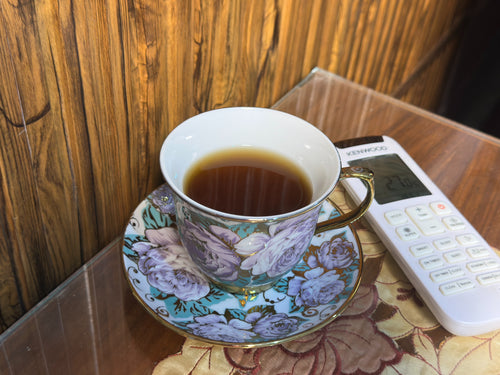
“I’ve been drinking this tea every morning for two weeks, and my hormonal acne on my chin has completely calmed down. My skin actually looks radiant and less congested. Lifesaver!”
Alizeh Shah
Verified BuyerLahore, Pakistan
“Maine packing dekhte hi video banayi thi, seriously amazing aesthetics! Oats ka taste bhi bohat authentic hai, chemical free feel hotay hain. Value for money product hai.”
Sana Yusuf
Verified BuyerRawalpindi, Pakistan
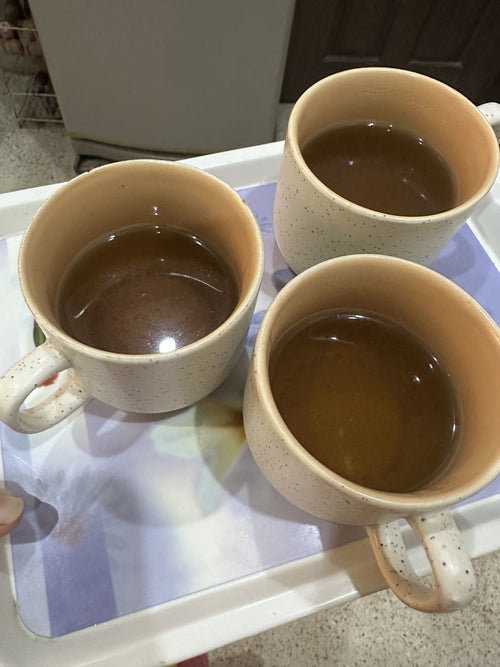
“Honestly love this tea! It really helps control those random late-night cravings. Combined it with a slight calorie deficit and I've already lost 2kgs in a month.”
Mahnoor Malik
Verified BuyerGujranwala, Pakistan
“As someone conscious about lipid profiles, I started this alongside my clean diet. Got my lab reports back yesterday and my LDL levels have actually shown improvement. Tastes quite refreshing too.”
Dr. Salman Raza
Verified BuyerLahore, Pakistan
“I’ve been taking CholestoEase for three weeks now, and my bloating is completely gone! My digestion feels so much lighter after dinners. Highly recommend it if you struggle with heavy meals.”
Zoya Ahmed
Verified BuyerPeshawar, Pakistan
“Bhai maza aya kha kar. Energy full rehti hai gym se pehle khata hoon daily. fullyorganic keep it up!.”
Kamran Lodhi
Verified BuyerKarachi, Pakistan
“Absolutely love the crunch! I’ve tried so many instant oats brands, but this one actually keeps me full until lunch. The fruit and nut ratio is perfect. Will definitely reorder.”
Ayesha K.
Verified BuyerLahore, Pakistan
